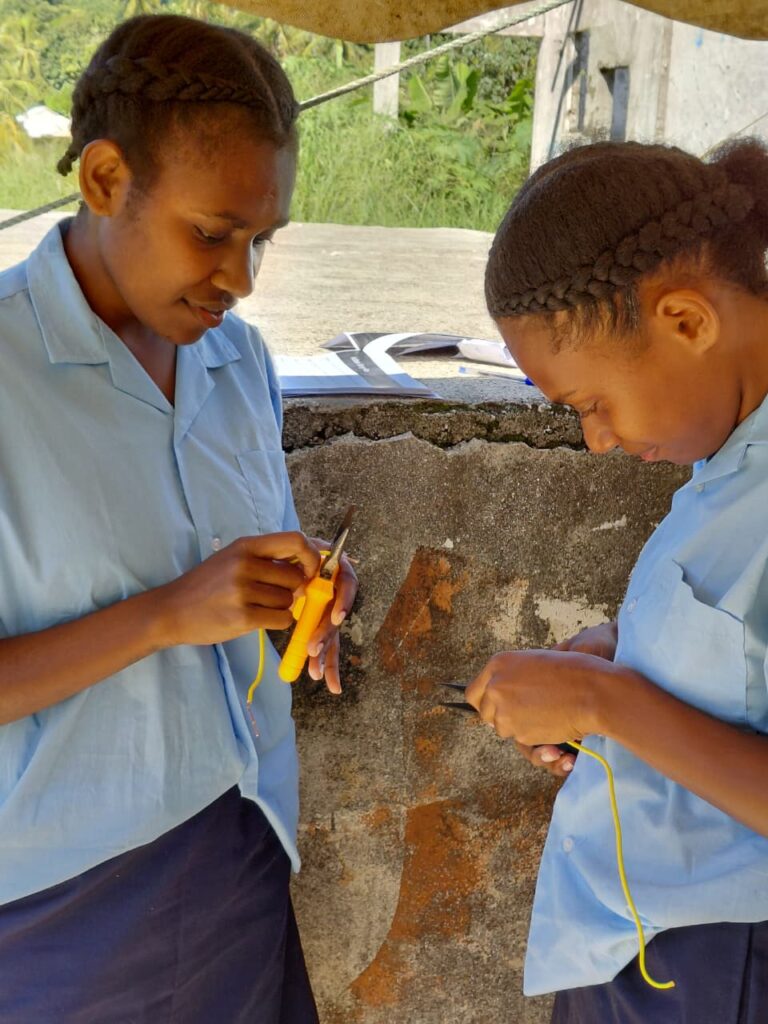
From 9–13 February, Tafea College came alive with the Fixim Sola extra‑curricular program: five days of hands‑on solar literacy and repair training for 19 senior students (Years 11–13) and 6 college staff, delivered by Laylyn Toa (Department of Energy) with support from the Vanuatu Institute of Technology. Many participants were boarders from neighbouring islands — Aniwa, Futuna, Aneityum and Erromango — which made the classroom a lively cross‑island forum for ideas, questions, and practical problem solving.
What we taught and what they fixed
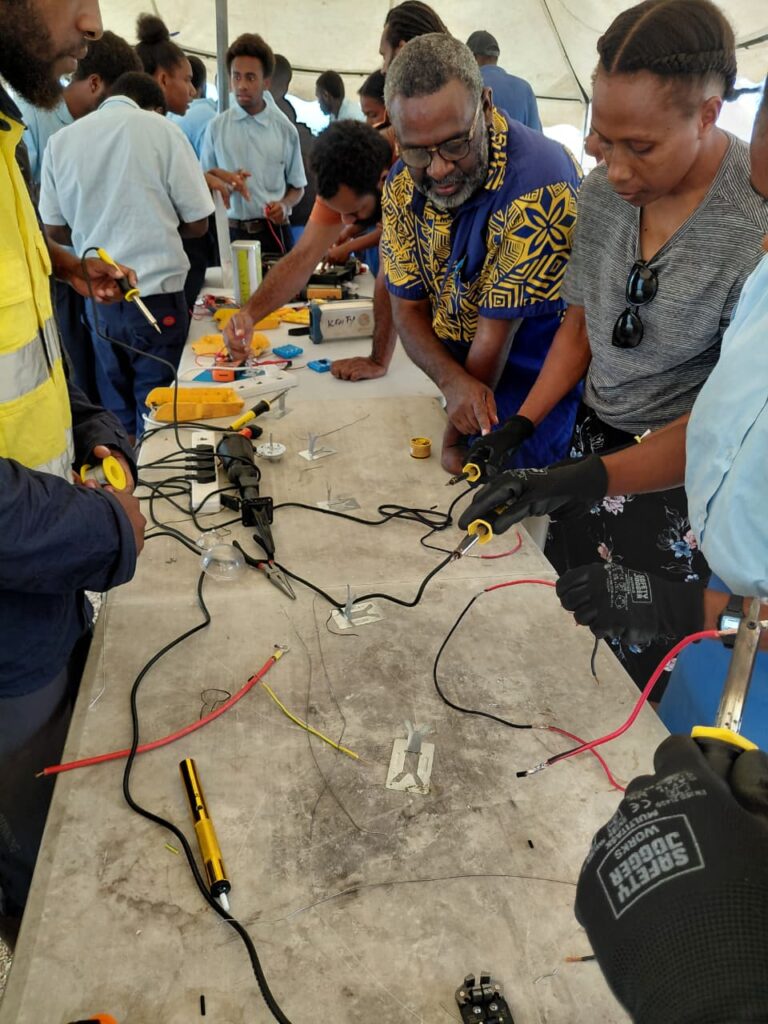
The week balanced clear, practical instruction with plenty of tinkering. Students learned how solar systems work, practiced safety and tool handling, and moved quickly into diagnosing and repairing pico‑solar products. Of the 17 items assessed, 11 were repaired on site — a tangible win for learning and local sustainability that was successful in engaging both staff and students.
Voices from the week
Students were consistently enthusiastic, juggling school and community commitments to stay engaged in the workshop. School leadership was equally positive.
The teachers and the students who participated in the Fixim Sola Project workshop recently held at Tafea College have expressed great interest and satisfaction on the positive outcomes of the workshop which I believe has empowered them with the necessary skills to further assist in their respective communities.” — Principal, Tafea College
Why this matters (and how it links to broader repair work)
Training young people and teachers in basic diagnostics and repair builds local capacity to keep small solar systems working, reduces waste, and creates pathways for community support of energy needs. The same program will be launched at Lini Memorial School on Pentecost Island in March 2026.
Program model and funding
Fixim Sola uses a two‑pronged approach: an extra‑curricular school program to seed solar literacy and a vocational training stream to build repair capability at scale in partnership Vanuatu Institute of Technology and the Department of Energy. The initiative launched in Tafea and Penama provinces and is funded by the Department of Foreign Affairs and Trade (Australia) through the Business Partnerships Platform.